If you’re considering PRP hair treatment in Malappuram , the pain question is almost always the first one on your mind — and it’s a fair one. Nobody wants to sign up for a treatment without knowing what the actual experience feels like. The good news: PRP (Platelet-Rich Plasma) therapy is one of the more comfortable hair restoration procedures available, with minimal downtime and a well-documented recovery process.
In this guide, we’ll walk through exactly what the pain feels like, how long recovery takes, and the aftercare steps that make the biggest difference to your results — the same protocol our team follows at Neoskin Speciality Center , Perinthalmanna.
What Actually Happens During a PRP Session
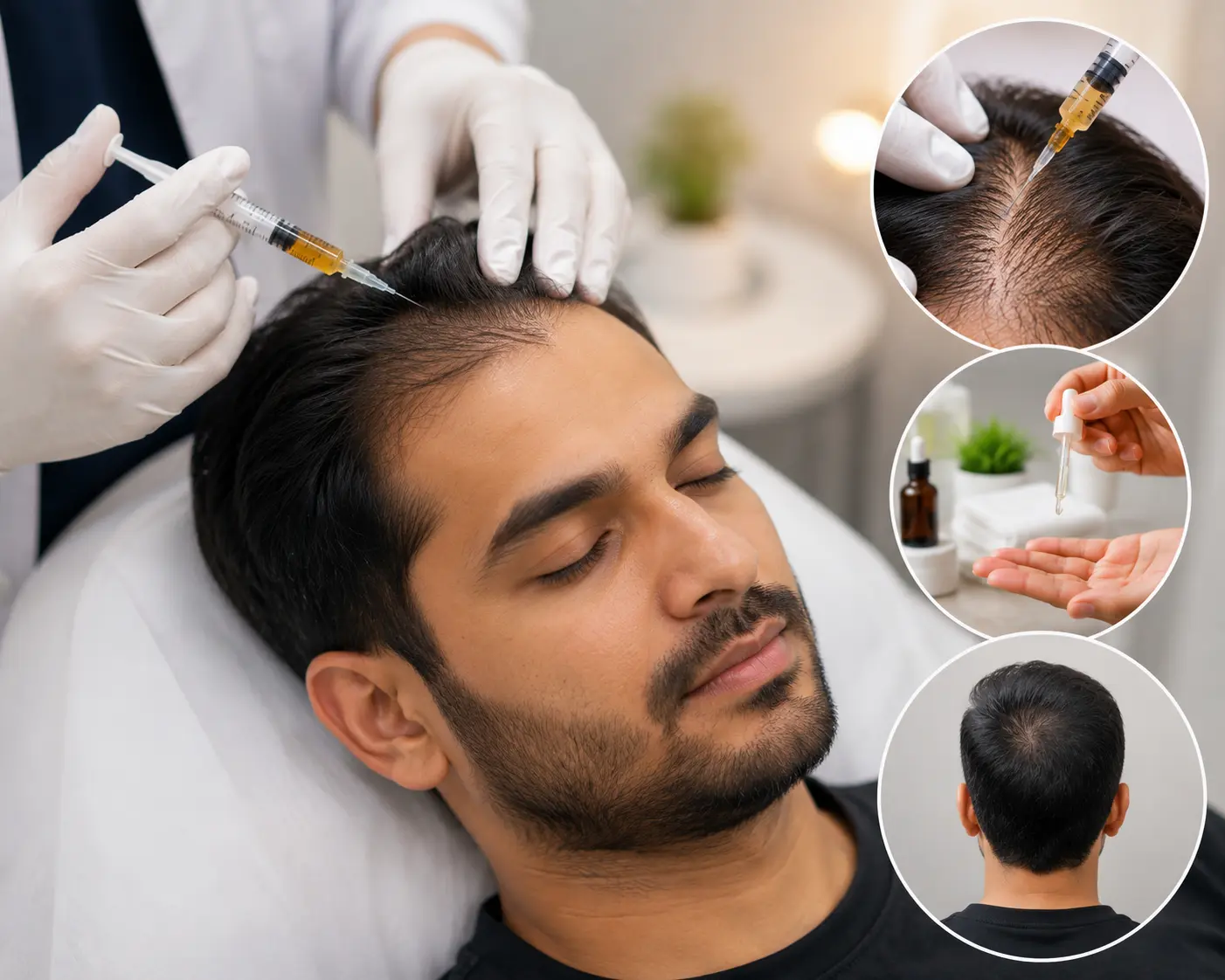
PRP hair treatment involves drawing a small sample of your own blood, spinning it in a centrifuge to concentrate the platelets, and then injecting that platelet-rich plasma directly into the scalp. The process is described by Texas Dermatology as a non-surgical technique where the platelets release growth factors that stimulate hair follicles, boost density, and reduce shedding.
Because the injections go directly into the scalp — a naturally sensitive area with many nerve endings — some discomfort during the procedure is expected. But it’s far more tolerable than most people assume.
Does PRP Hair Treatment Hurt?
Here’s the honest answer: yes, there’s some discomfort, but it’s brief and manageable for most patients.
During the procedure: Most clinics apply a topical numbing cream before injections to minimize discomfort. Patients typically describe the sensation as a series of small pinpricks rather than sharp, lasting pain — a description echoed across multiple dermatology clinics offering the treatment.
Right after the procedure: The most commonly reported side effects are mild swelling, tenderness, and pinpoint bleeding at the injection sites, according to BH Skin Dermatology. Bruising can occur in some patients, but serious reactions are uncommon because the plasma comes from your own blood, making allergic response extremely unlikely.
In the days after: Some patients report mild soreness, tingling, itching, or redness for 2 to 5 days post-treatment, as noted in aftercare guidelines from both Oliva Clinic and dermatology clinics offering PRP protocols. A tingling sensation on the scalp during this window is normal and not a cause for concern.
If pain feels unusually severe or persistent, that’s a signal to check in with your treating doctor rather than push through it.
How Long Is the Downtime?
One of the biggest advantages of PRP over surgical hair restoration is how little it disrupts your routine.
- No real “recovery period” in the medical sense — most patients resume work and daily activities the same day.
- Avoid strenuous exercise and heavy sweating for 24–48 hours, since sweat and friction can irritate the treated scalp, a precaution highlighted by Texas Dermatology’s aftercare guidance.
- Swelling and tenderness typically resolve within a few hours to a couple of days, per multiple clinical aftercare sheets.
- Full results take time — hair growth improvements aren’t immediate. Most patients need 3 to 4 sessions spaced 4–6 weeks apart, with visible changes in hair density building gradually over subsequent weeks, according to a medical explainer on PRP hair treatment expectations.
So while there’s no significant “downtime” in the sense of missed work or bed rest, patience is part of the deal — PRP works with your body’s own healing response, and that takes weeks, not days.
PRP Aftercare: What to Do (and Avoid) for Best Results
Aftercare plays a bigger role in your results than most patients expect. Here’s what dermatology-backed guidance recommends:
Do:
- Keep the scalp clean, but avoid harsh or sulfate-heavy shampoos for the first few days.
- Sleep on a clean pillowcase — some clinics suggest satin to reduce friction on the treated scalp.
- Stay hydrated in the days before and after your session.
- Take acetaminophen (paracetamol) if you experience soreness — this is the pain reliever most commonly recommended by PRP providers.
Avoid:
- Blood-thinning medications and supplements such as ibuprofen, aspirin, fish oil, and vitamin E for about a week around your session, as these can affect platelet function, per guidance from Dr. Michele Green MD.
- Direct sun exposure on the treated scalp — UV rays can trigger inflammation and interfere with the healing process, according to Texas Dermatology.
- Strenuous workouts for 24–48 hours post-treatment.
- Hair styling, coloring, or straightening for at least a week, or as advised by your doctor.
- Applying ice to reduce swelling — counterintuitively, most clinics advise against this for PRP specifically.
- Touching or picking at any flaking or peeling scalp skin that may appear in the days following treatment.
When to Contact Your Doctor
Mild redness, itching, and tenderness are expected. However, you should reach out to your treating physician if you notice:
- Pain that feels excruciating rather than mild-to-moderate
- Signs of infection (increasing redness, warmth, pus, or fever)
- Symptoms that worsen instead of gradually improving after day 2–3
Reputable clinics will always provide a direct line to reach your doctor post-treatment for exactly this reason.
Why the Right Clinic Matters for Pain Management and Results
PRP is a relatively simple procedure on paper, but technique matters enormously — the concentration of platelets, injection depth, spacing, and numbing protocol all affect both comfort and outcome. This is why choosing an experienced, dermatologist-led clinic for PRP hair treatment in Malappuram matters as much as choosing the treatment itself.
At Neoskin Speciality Center, Perinthalmanna, our PRP protocol is designed around patient comfort from the first step — proper numbing, precise injection technique, and a clear aftercare plan tailored to Kerala’s humid climate, which can otherwise slow scalp healing if not managed correctly. We also track your progress across sessions so you know exactly what results to expect and when.
Frequently Asked Questions
Is PRP more painful than a hair transplant? No. PRP involves only injections into the scalp’s surface layers with numbing cream, while a hair transplant involves surgical extraction and implantation. PRP has significantly less associated pain and virtually no surgical downtime.
How many PRP sessions will I need before I stop feeling discomfort? Discomfort typically decreases with each session as the scalp adjusts, though this varies by individual. Most protocols involve 3–4 initial sessions followed by periodic maintenance visits.
Can I go to work the same day as my PRP session? Yes, for most patients. There’s no medical requirement to take time off, though some prefer to avoid public appearances for a day if swelling or redness is noticeable.
Is bruising after PRP normal? Yes, mild bruising at injection sites is a common and expected side effect that resolves within a few days.