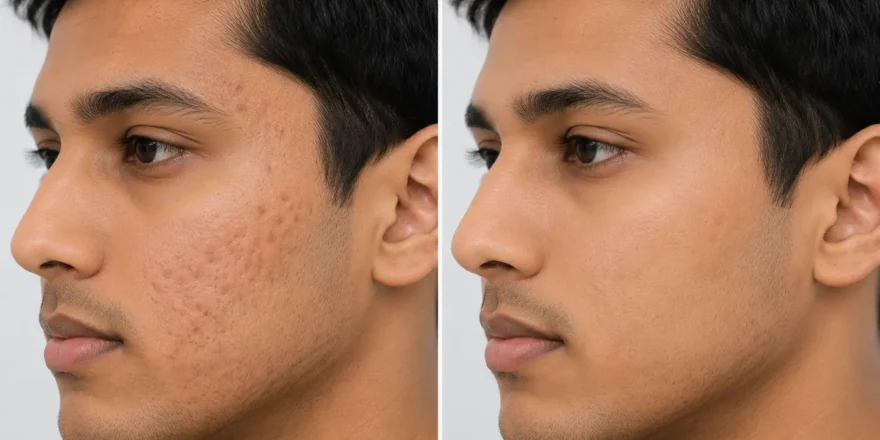

Living with psoriasis involves much more than managing visible skin symptoms. While the condition is primarily known for causing red, scaly patches on the skin, its effects often extend beyond physical discomfort. Many individuals experience emotional and psychological challenges that can significantly impact their quality of life.
Seeking timely psoriasis treatment in Perinthalmanna can help not only control skin symptoms but also improve confidence, social well-being, and mental health. Understanding the connection between psoriasis and emotional wellness is an important step toward comprehensive care.
What Is Psoriasis?
Psoriasis is a chronic autoimmune skin condition that accelerates the skin cell life cycle, causing cells to build up rapidly on the skin’s surface. This leads to symptoms such as:
-
Red, inflamed patches of skin
-
Silvery-white scales
-
Itching and burning sensations
-
Dry, cracked skin
-
Nail changes
-
Joint pain in some individuals
According to the National Psoriasis Foundation, psoriasis affects millions of people worldwide and can vary from mild to severe.
The Hidden Burden of Psoriasis
The physical symptoms of psoriasis are often visible, especially when they affect areas such as the face, scalp, hands, or arms. Because these areas are difficult to conceal, many individuals experience feelings of embarrassment, self-consciousness, and social anxiety.
People living with psoriasis may face:
-
Reduced self-esteem
-
Fear of judgment from others
-
Social withdrawal
-
Workplace challenges
-
Relationship difficulties
These emotional effects can sometimes be as distressing as the skin symptoms themselves.
Understanding the Link Between Psoriasis and Mental Health
Research has shown a strong association between psoriasis and mental health conditions such as anxiety and depression. According to the American Academy of Dermatology Association, the emotional impact of psoriasis can be substantial and may affect daily functioning.
Several factors contribute to this connection.
Visible Skin Changes
When psoriasis affects exposed areas of the body, individuals may become overly conscious of their appearance. This can lead to:
-
Avoiding social events
-
Reluctance to participate in public activities
-
Concerns about being misunderstood or stigmatized
Chronic Nature of the Condition
Psoriasis is a long-term condition characterized by periods of flare-ups and remission. The unpredictability of symptoms can create ongoing stress and frustration.
Persistent Itching and Discomfort
Constant itching, burning, and irritation can interfere with:
-
Sleep quality
-
Concentration
-
Productivity
-
Overall emotional well-being
Impact on Personal Relationships
Some individuals may feel hesitant to discuss their condition with friends, family members, or partners. Misconceptions about psoriasis being contagious can further contribute to emotional distress.
Anxiety and Psoriasis
Anxiety is one of the most commonly reported psychological concerns among people with psoriasis.
Symptoms may include:
-
Excessive worry about appearance
-
Fear of social interactions
-
Nervousness during flare-ups
-
Avoidance behaviors
In some cases, anxiety itself can act as a trigger for psoriasis flare-ups, creating a cycle that becomes difficult to break.
Depression and Psoriasis
Numerous studies have identified a higher prevalence of depression among individuals with psoriasis compared to the general population.
Warning signs may include:
-
Persistent sadness
-
Loss of interest in daily activities
-
Low self-confidence
-
Fatigue
-
Feelings of hopelessness
Recognizing these symptoms early is essential because mental health support can play a crucial role in overall disease management.
Stress and Psoriasis: A Two-Way Relationship
Stress is both a consequence and a trigger of psoriasis.
When stress levels increase, inflammatory pathways in the body may become more active, potentially worsening psoriasis symptoms. At the same time, worsening symptoms can increase stress levels further.
Effective stress management strategies may include:
-
Regular physical activity
-
Relaxation techniques
-
Meditation and mindfulness
-
Adequate sleep
-
Professional counseling when needed
Why Comprehensive Psoriasis Care Matters
Managing psoriasis successfully often requires more than treating the skin alone.
Modern dermatological care focuses on:
-
Reducing inflammation
-
Controlling flare-ups
-
Improving skin appearance
-
Enhancing quality of life
-
Addressing emotional and psychological concerns
This holistic approach can significantly improve long-term outcomes.
The Importance of Early Intervention
Seeking professional psoriasis treatment in Perinthalmanna at the earliest signs of persistent symptoms can help prevent complications and improve overall well-being.
Early treatment may help:
-
Reduce symptom severity
-
Minimize flare-ups
-
Improve self-confidence
-
Enhance social participation
-
Support emotional health
Lifestyle Tips for Better Physical and Emotional Health
Individuals living with psoriasis can benefit from adopting healthy daily habits.
Maintain a Consistent Skincare Routine
Regular moisturizing can help reduce dryness and irritation.
Follow Medical Advice
Adhering to prescribed treatment plans improves symptom control and reduces the likelihood of flare-ups.
Stay Physically Active
Exercise supports both physical and mental health by reducing stress and promoting overall wellness.
Seek Emotional Support
Talking openly with family members, support groups, counselors, or healthcare professionals can help reduce feelings of isolation.
Learn Your Triggers
Common triggers include:
-
Stress
-
Skin injuries
-
Certain medications
-
Infections
-
Smoking
-
Excessive alcohol consumption
Identifying triggers can help improve symptom management.
When Should You See a Dermatologist?
Consider seeking professional evaluation if:
-
Symptoms persist despite home care
-
Itching affects daily activities
-
Flare-ups become frequent
-
Joint pain develops
-
Emotional distress is affecting your quality of life
A dermatologist can assess the severity of the condition and recommend appropriate treatment options tailored to individual needs.
Finding Effective Psoriasis Treatment in Perinthalmanna
For individuals experiencing persistent psoriasis symptoms, access to expert dermatological care is essential. Modern approaches to psoriasis treatment in Perinthalmanna focus on controlling inflammation, reducing symptoms, preventing flare-ups, and improving overall quality of life.
A personalized treatment plan, combined with proper skincare, lifestyle modifications, and emotional support, can help patients manage psoriasis more effectively and regain confidence in their daily lives.
Conclusion
Psoriasis is more than a skin condition. Its impact often extends into emotional, psychological, and social aspects of life. Anxiety, depression, stress, and reduced self-esteem are common challenges faced by many individuals living with the condition.
The good news is that effective management is possible. With timely diagnosis, comprehensive care, and appropriate psoriasis treatment in Perinthalmanna, patients can achieve better symptom control while improving both physical and emotional well-being.
References
-
National Psoriasis Foundation – Psoriasis and Mental Health Resources
-
American Academy of Dermatology – Psoriasis Information Center
-
National Institute of Arthritis and Musculoskeletal and Skin Diseases (NIAMS)