Pregnancy brings many beautiful changes, but it can also lead to unexpected skin concerns. One of the most common conditions experienced by expectant mothers is melasma, a form of hyperpigmentation that causes brown or grayish-brown patches on the face. Often referred to as the “mask of pregnancy,” melasma can affect self-confidence, especially when the discoloration becomes more noticeable over time.
For women seeking skincare for melasma in Perinthalmanna, understanding the causes of melasma during pregnancy and the available safe treatment options is the first step toward managing the condition effectively.
What Is Melasma?
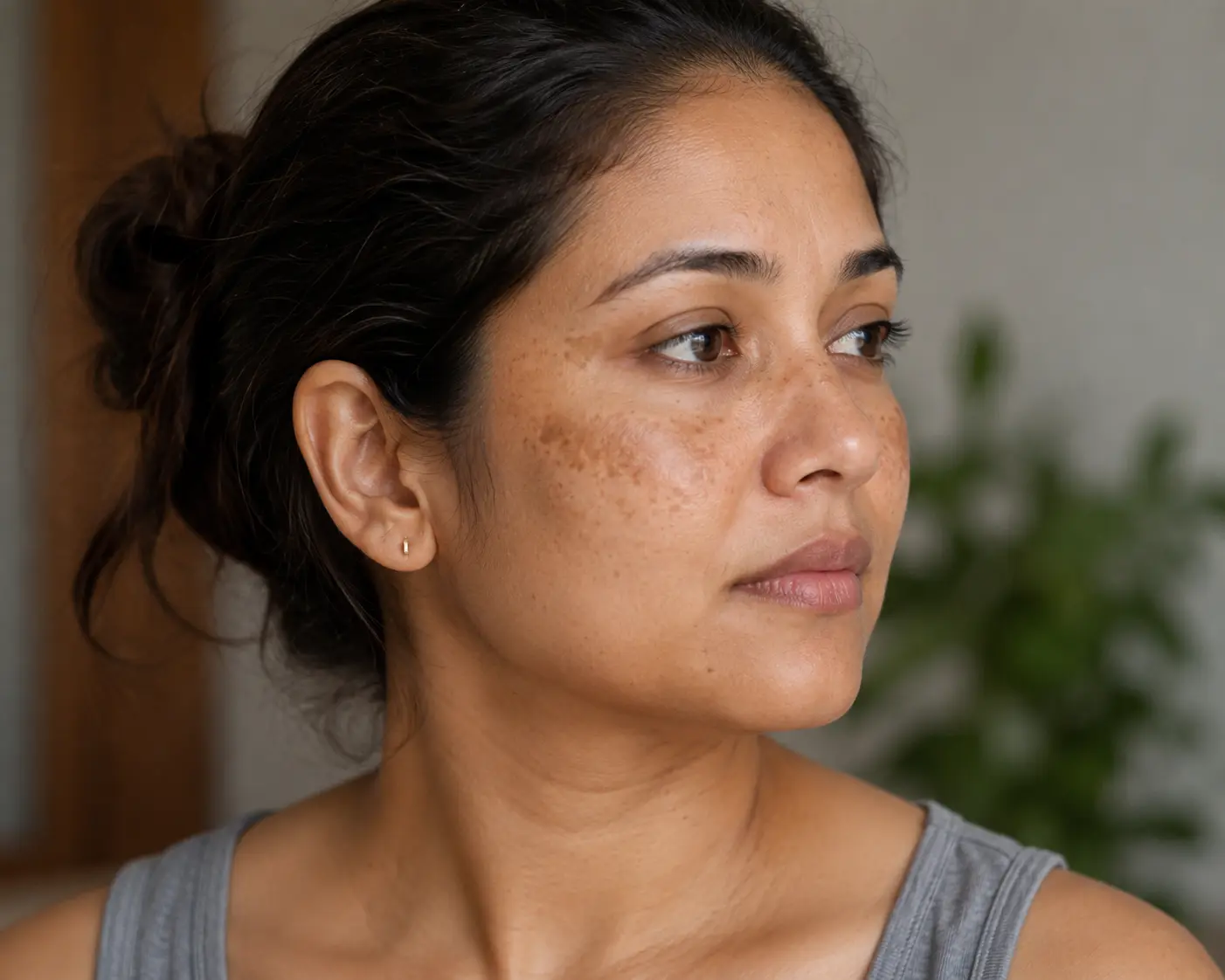
Melasma is a common skin condition characterized by dark patches that typically appear on the cheeks, forehead, nose, chin, and upper lip. The condition occurs when melanocytes, the cells responsible for producing skin pigment, become overactive and produce excess melanin.
Although melasma can affect anyone, it is particularly common among women, especially during pregnancy due to hormonal fluctuations.
Why Does Melasma Occur During Pregnancy?
Pregnancy-related melasma is primarily triggered by hormonal changes. Increased levels of estrogen, progesterone, and melanocyte-stimulating hormone can stimulate pigment production, leading to the appearance of dark patches on the skin.
Several factors can increase the likelihood of developing melasma during pregnancy:
Hormonal Changes:
The hormonal surge that supports a healthy pregnancy can also stimulate excess melanin production.
Sun Exposure
Ultraviolet (UV) rays are one of the biggest triggers for melasma. Even brief exposure to sunlight can worsen pigmentation and make existing patches darker.
Genetic Predisposition
Individuals with a family history of melasma may be more susceptible to developing the condition during pregnancy.
Skin Type
People with medium to darker skin tones are generally at a higher risk of experiencing melasma.
Common Symptoms of Pregnancy Melasma
Melasma is not painful or harmful to physical health, but its appearance can be distressing. Common signs include:
Symmetrical brown or gray-brown patches on the face
Darkening of existing pigmentation
Increased sensitivity to sunlight
Gradual spread of pigmentation over time
The condition most commonly affects the cheeks, forehead, bridge of the nose, upper lip, and chin.
Is Melasma Harmful During Pregnancy?
Melasma is a cosmetic condition and does not pose any risk to the mother or baby. However, many women find the visible pigmentation emotionally challenging, particularly when it affects facial appearance.
The good news is that pregnancy melasma often fades partially or completely after childbirth as hormone levels gradually return to normal. However, in some cases, pigmentation may persist and require professional treatment.
Safe Skincare for Melasma During Pregnancy
When considering skincare for melasma in Perinthalmanna, safety is the top priority during pregnancy. Certain treatments commonly used for pigmentation may not be suitable for expectant mothers.
1. Daily Sun Protection
Sun protection is the foundation of melasma management.
Dermatologists recommend:
Using a broad-spectrum sunscreen with SPF 30 or higher
Reapplying sunscreen every two to three hours when outdoors
Wearing wide-brimmed hats and protective clothing
Avoiding direct sun exposure during peak hours
Consistent sun protection helps prevent further darkening of melasma patches.
2. Gentle Skincare Routine
Pregnant women should focus on maintaining a gentle skincare routine that supports skin health without causing irritation.
A typical routine may include:
Mild cleanser
Pregnancy-safe moisturizer
Dermatologist-recommended sunscreen
Gentle antioxidant-rich skincare products
Avoid harsh scrubs and aggressive exfoliants that may worsen pigmentation.
3. Pregnancy-Safe Topical Ingredients
Some ingredients may help support skin brightness while remaining suitable during pregnancy when recommended by a dermatologist.
These may include:
Vitamin C
Niacinamide
Azelaic acid
Certain antioxidant formulations
Professional guidance is essential before starting any skincare product during pregnancy.
Treatments Usually Deferred Until After Delivery
Many advanced melasma treatments are typically postponed until after pregnancy and breastfeeding.
These may include:
Chemical peels
Laser treatments
Hydroquinone-based products
Prescription retinoids
A dermatologist can evaluate the severity of pigmentation and recommend the most appropriate timing for treatment.
How Dermatologists Diagnose Melasma
Melasma is usually diagnosed through a clinical skin examination. In some cases, specialized tools may be used to assess the depth of pigmentation and determine the most suitable management plan.
An accurate diagnosis helps differentiate melasma from other pigmentation disorders that may require different treatment approaches.
Preventing Melasma from Worsening During Pregnancy
While melasma cannot always be prevented, the following measures can significantly reduce its progression:
Use sunscreen every day, regardless of weather conditions.
Wear protective clothing when outdoors.
Follow a dermatologist-approved skincare routine.
Avoid unnecessary skin irritation.
Attend regular dermatology consultations if pigmentation worsens.
When Should You Consult a Dermatologist?
You should consider professional evaluation if:
Pigmentation spreads rapidly.
The patches become significantly darker.
Over-the-counter products are not helping.
You are unsure whether the pigmentation is melasma or another skin condition.
Early guidance can help prevent unnecessary worsening and ensure safe management throughout pregnancy.
Expert Care for Skincare for Melasma in Perinthalmanna
Melasma during pregnancy is a common and manageable condition. While hormonal changes play a major role, proper sun protection, gentle skincare, and professional dermatological guidance can help control pigmentation and maintain healthy skin throughout pregnancy.
If you are looking for skincare for melasma in Perinthalmanna, consulting an experienced dermatologist can help you understand your condition, adopt pregnancy-safe skincare practices, and plan effective treatment options when appropriate. With the right care, melasma can be managed successfully while prioritizing the health and safety of both mother and baby.